By PURPLELEC | 22 September 2025 | 0 Comments
RJ45 Connector: The Cornerstone of Modern Network Data Transmission
In the realm of modern networking, the RJ45 connector stands as a pivotal element, playing a crucial role in facilitating seamless data transfer across various devices. Whether you're setting up a home network or managing a large-scale enterprise infrastructure, a solid understanding of RJ45 connectors is vital for achieving efficient communication and reliable connectivity. This article will delve into the fundamental knowledge, applications, working principles, advantages, and selection methods of RJ45 connectors.
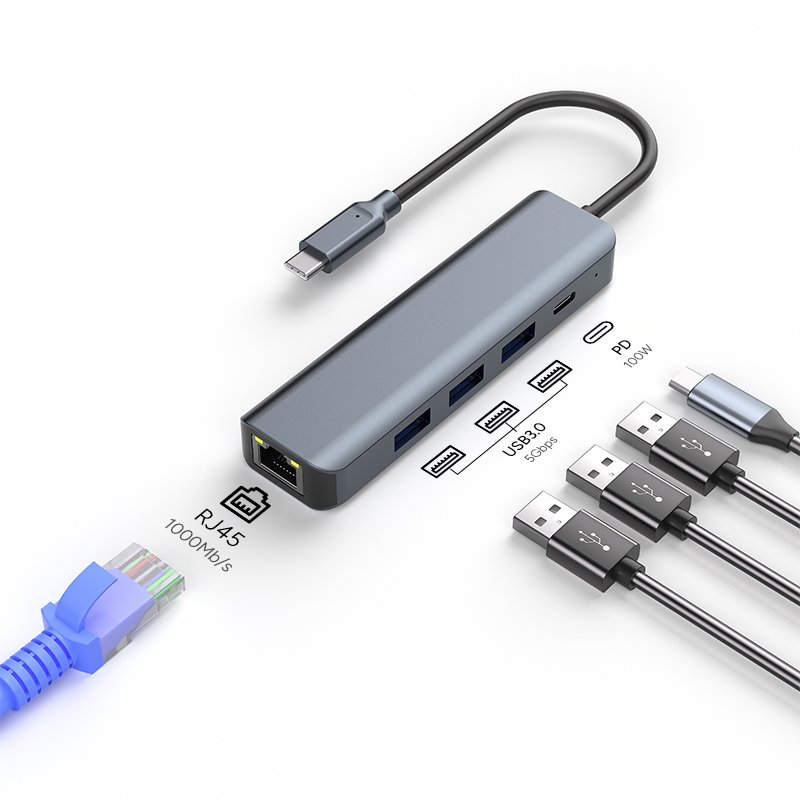
What Is an RJ45 Connector?
The RJ45 connector is a standardized interface primarily used in Ethernet networks. It features eight pins designed to connect network cables, commonly linking devices such as computers, routers, and switches. The term "RJ" is an abbreviation for "Registered Jack," and the number "45" refers to a specific wiring standard within the RJ series. These connectors are typically paired with Ethernet cables, such as Cat5, Cat5e, Cat6, and higher-grade versions, which are essential for high-speed data transmission in local area networks (LANs).
How Does an RJ45 Connector Work?
An RJ45 connector establishes a physical connection between two devices, enabling data transmission through Ethernet cables. Inside the connector, the eight pins correspond to the eight wires within the Ethernet cable, which are arranged in a specific sequence, such as the T568A or T568B wiring standards. When the connector is inserted into a port, it forms a complete circuit, facilitating the flow of data between devices. Capable of handling high-frequency signals, RJ45 connectors are an ideal choice for efficient and reliable data transfer, ensuring fast and stable communication whether you're streaming videos, sharing files, or conducting video conferences.
Common Applications of RJ45 Connectors in Networks
Owing to their versatility and reliability, RJ45 connectors find widespread use in both residential and commercial settings. Here are some of the most common applications:
Home Networks: They are used to connect computers, gaming consoles, smart TVs, and other devices to routers or modems.
Business Networks: In office environments, RJ45 connectors link computers to local networks, servers, and switches.
Telecommunications: These connectors are employed in telephone systems and for connecting various communication devices.
Data Centers: The high-speed networks in data centers heavily rely on RJ45 connectors to ensure rapid data transfer between servers and storage devices.

Advantages of Using RJ45 Connectors for Data Transmission
RJ45 connectors offer several benefits for data transmission:
High-Speed Data Transfer: They support high-speed Ethernet, including Gigabit and even 10-Gigabit Ethernet, ensuring swift data transmission.
Reliability: These connectors are durable and can maintain a stable connection over an extended period without signal degradation.
Ease of Use: RJ45 connectors are simple to install, making them a user-friendly option for network setup and troubleshooting.
Cost-Effectiveness: Widely available and reasonably priced, RJ45 connectors provide a cost-efficient solution for both small-scale and large-scale networks.
How to Select the Right RJ45 Connector for Your Network Needs?
Choosing the appropriate RJ45 connector depends on several factors:
Shielded vs. Unshielded: Shielded connectors (STP) offer better protection against electromagnetic interference, making them suitable for industrial environments. Unshielded connectors (UTP) are adequate for typical home and office networks.
Cable Type: Ensure that the RJ45 connector is compatible with the Ethernet cable you're using, such as Cat5, Cat6, or Cat7. Higher-category cables generally offer faster speeds and greater bandwidth.
Durability: For environments with frequent use, consider connectors made from robust materials to prevent wear and tear.
By understanding your specific network requirements, you can select the right RJ45 connector to ensure optimal performance and longevity.
Conclusion
The RJ45 connector is an indispensable component of modern networks, enabling fast and reliable data transmission. Its versatility, ease of use, and cost-effectiveness make it the preferred solution for a wide range of applications, from home networks to large enterprise systems. Many of our products, including our HDBaseT HDMI extenders designed to extend HDMI signals over long distances and enhance video quality and network performance, incorporate RJ45 connectors. Gaining insights into the working principles, applications, and advantages of these connectors will empower you to make informed decisions when setting up or upgrading your network.
USB Hubs rely on the following key mechanisms to achieve data transmission with multiple devices usi
Combining Docking Stations and KVM Switches: An Innovative Solution for Multi-Device Management
Leave a Reply
Your email address will not be published.Required fields are marked. *