When upgrading storage in a desktop PC, laptop, or workstation, users often replace their existing SSD with a faster or higher-capacity model. The removed drive is frequently left unused, despite still being technically functional. From both a cost and sustainability perspective, repurposing an internal SSD as external storage is a practical solution.
With the appropriate external connection hardware, an internal solid-state drive can be transformed into a portable storage device suitable for file transfer, backups, and storage expansion. For users who prioritize cost efficiency and hardware reuse, this approach provides a straightforward and low-barrier upgrade path.
Even if an SSD is no longer intended for active use, securely erasing stored data remains essential for privacy protection. Solid-state drives can retain recoverable data even after failure, and external connectivity allows proper data sanitization procedures to be performed.
Benefits of Portable SSD Storage
Portable storage devices enable convenient file transfer, system migration, and offline backups. By repurposing an internal SSD, users can create a compact, durable, and high-performance external storage solution.
Key advantages include:
Enclosure vs Adapter vs Dock: Technical Differences
SSD Enclosure
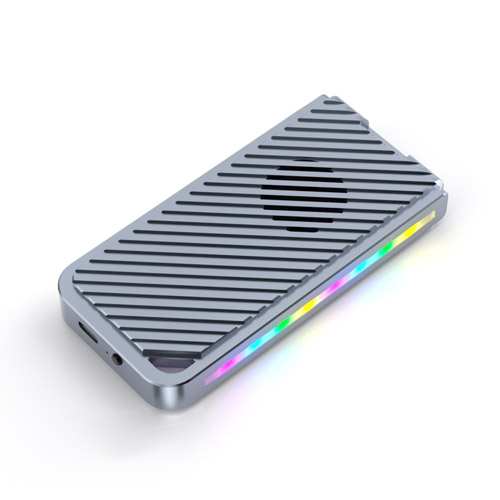
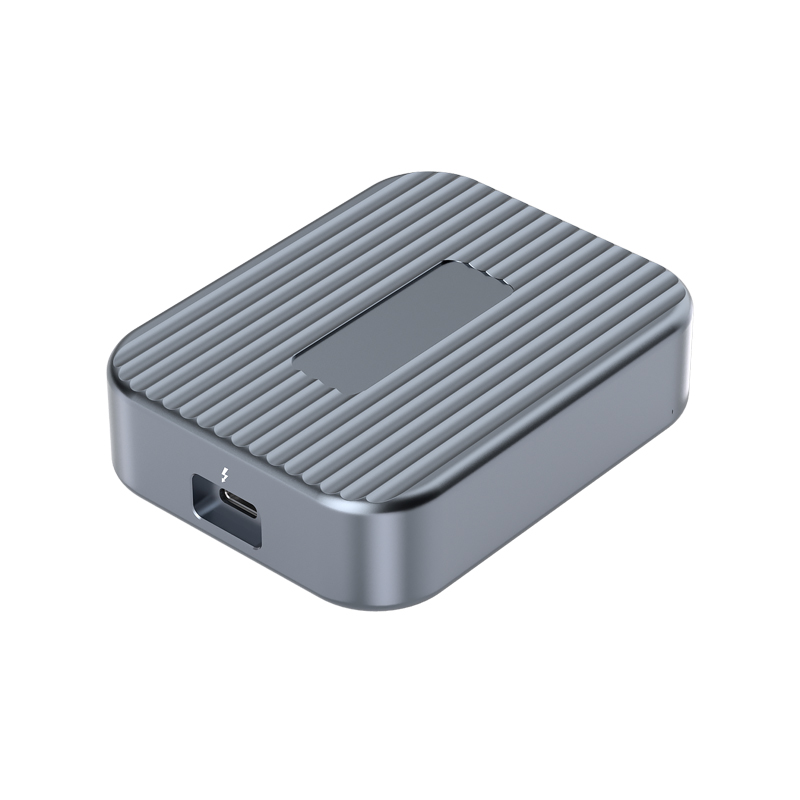
An SSD enclosure is a fully enclosed housing designed to hold a solid-state drive while providing both data connectivity and physical protection. Enclosures are intended for long-term use and often incorporate thermal management features such as aluminum shells or heat spreaders.

SSD Adapter
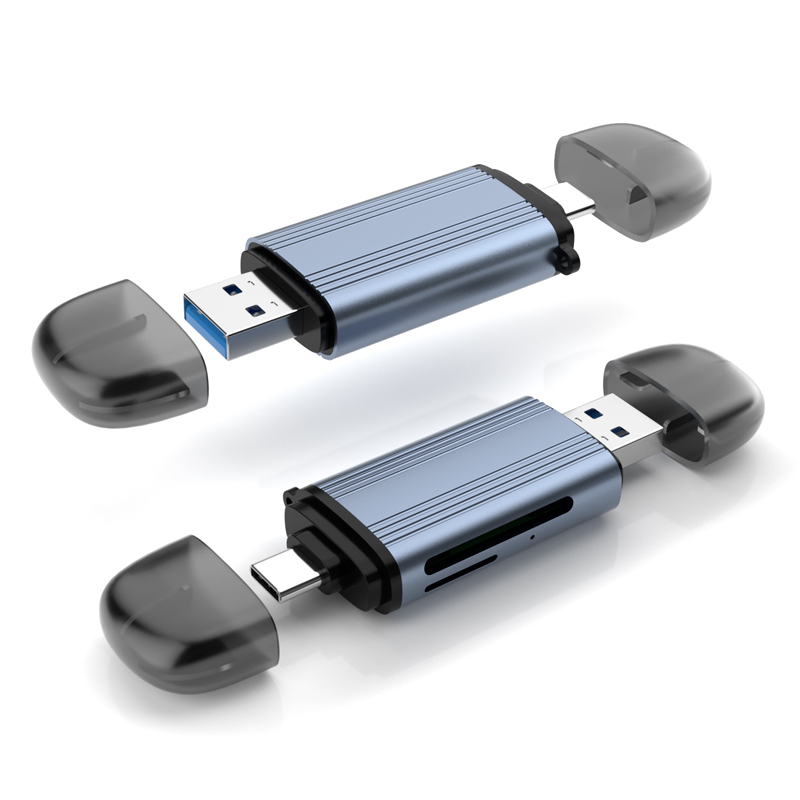
An adapter converts interface protocols, such as SATA to USB or NVMe to USB, without enclosing the drive. This solution is lightweight and suitable for temporary data access, but it offers minimal protection and is not recommended for portable daily use.
SSD Docking Station
A docking station is typically used for disk maintenance and bulk data transfer tasks. Some docks support multiple interface types, including SATA and M.2. Due to their open design, docks are not suitable for permanent external storage deployment.

Data Preparation and Drive Health Check
Before removing an SSD from a system, it is recommended to back up all critical data or perform a full disk clone if the drive contains an operating system. Cloning can reduce downtime and simplify system migration.
Checking drive health while the SSD is still installed provides in-sight into wear level, bad block count, and remaining lifespan. This information helps determine whether the drive is suitable for reuse as external storage.
If the SSD has already been removed, it can still be connected through an enclosure or adapter to retrieve data before formatting.
Hardware Required to Convert an SSD into External Storage
To repurpose an internal SSD as an external storage device, the following components are required:
1. Compatible SSD enclosure, adapter, or docking station
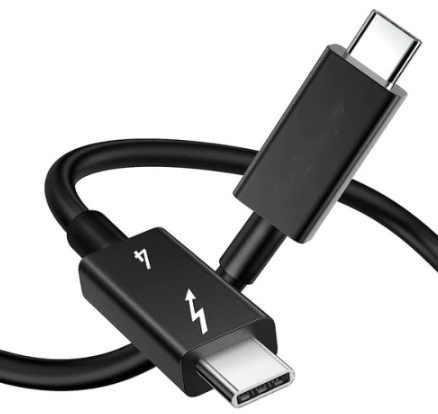
2. Connection cables
Typically included with enclosures, but compatibility should be verified
3. Installation tools
A small screwdriver for securing M.2 or 2.5-inch drives
There are many high-quality SSD enclosures available on the market, including products from ACASIS and SABRENT. When selecting an enclosure, users should evaluate thermal design, interface protocol support, and system compatibility.
Step-by-Step Process to Make an External SSD
1. Open the Enclosure
Most enclosures use sliding mechanisms or snap-fit designs, while some require screw removal.
2. Install the SSD
3. Close the Enclosure
Ensure the drive is firmly secured and the enclosure is fully closed to prevent dust and physical damage.
4. Connect to a Computer
Use the supplied USB-C, USB-A, or Thunderbolt cable. Most operating systems will automatically detect the drive.
5. Back Up Data
If no prior backup was performed, copy important files before formatting.
6. Format and Partition the Drive
Formatting aligns partitions, optimizes performance, and improves cross-platform compatibility. This step can be skipped if preserving existing data structures is required.
Adapters and docking stations follow a similar process but expose the SSD without physical protection, making them unsuitable for portable use.
Technical Summary
Converting an internal SSD into an external storage device is a cost-efficient and technically straightforward method to expand storage capacity. The process requires no soldering or complex configuration—only a compatible enclosure. This solution is suitable for data migration, system backups, gaming storage expansion, and portable workflows.