A business USB-C docking station doesn’t need every port possible. It needs the ports people actually use at a desk: display output, Ethernet, charging, and enough USB connections for daily peripherals.
For most office setups, start with the basics. The dock should have one reliable USB-C host connection, at least two display outputs, RJ45 Ethernet, USB Power Delivery, a few USB-A ports, and at least one USB-C data port. That covers the normal workday: laptop charging, external monitors, keyboard, mouse, webcam, headset receiver, wired network, and file transfer.
Display Ports Matter Most
For business users, video output is usually the first reason they buy a dock. HDMI is still useful because it works with many office monitors, meeting room screens, and TVs. DisplayPort is common on business monitors and is often preferred for fixed workstations.
If the dock is designed for general office use, HDMI plus DisplayPort is usually safer than choosing only one. If it is built for meeting rooms, HDMI becomes more important. If it is built for professional workstations, DisplayPort should not be ignored.
For dual-monitor setups, be careful with the wording. A dock having two video ports does not always mean every laptop can run two extended displays. The laptop’s USB-C port, graphics capability, operating system, and dock design all matter.
Don’t Remove USB-A Too Early
USB-A may look old, but business buyers still need it. Many offices still use USB-A keyboards, mice, webcams, printers, headset dongles, and security keys. Removing USB-A can create more support problems than it solves.
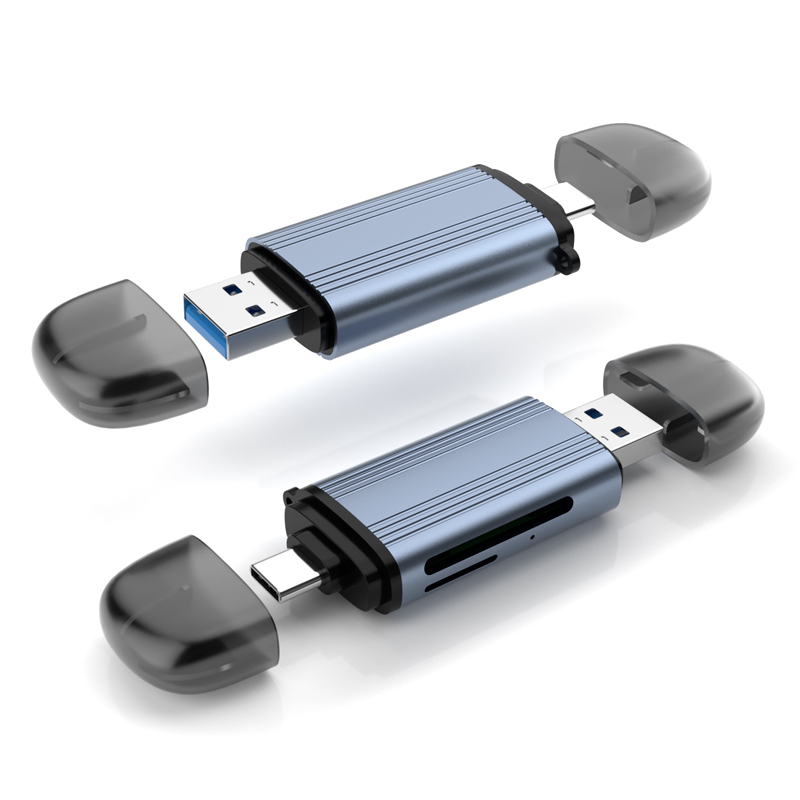
A practical business dock should keep at least two USB-A ports. For shared desks or fixed office workstations, three or four may be more comfortable. At the same time, the dock should include at least one USB-C data port for newer accessories, external SSDs, phones, and card readers.
Ethernet Is Still Worth Keeping
For travel hubs, Ethernet can be optional. For a business USB-C docking station used at a fixed desk, RJ45 Ethernet should stay.
Wired networking is still useful for video calls, file transfers, device setup, shared workstations, and IT-managed environments. Gigabit Ethernet is enough for many offices. 2.5GbE can be useful if the company’s network equipment supports it.
Power Delivery Needs Clear Wording
USB Power Delivery is a must-have, but the power rating should be explained clearly. A dock may receive one wattage from the adapter but deliver less to the laptop after the dock uses power for itself and connected devices.
For B2B buyers, the important number is the actual charging power sent to the laptop. A good product page should separate power input, laptop charging output, and any downstream charging for accessories.
Optional Ports Depend on the Buyer
Audio, SD card readers, and security slots are useful, but they are not equally important for every customer.
A 3.5mm audio jack makes sense for call centers, training rooms, and shared desks. SD and microSD card readers are more useful for creative teams, field workers, photographers, and marketing departments. A security slot matters in schools, retail counters, public offices, and hot-desking areas.
For OEM or enterprise buyers, the port list is only the beginning. They should also ask for the full port map, USB speed for each port, Power Delivery details, display compatibility notes, cable specifications, thermal information, and compliance documents such as FCC, CE, UKCA, and RoHS when needed.
Final Recommendation
A good business USB-C docking station should feel practical, not overloaded. For most office use, the right mix is USB-C host connection, HDMI and/or DisplayPort, USB-A, USB-C data, Power Delivery, and Ethernet.
The best dock is not the one with the longest port list. It is the one that works reliably with the laptops, monitors, cables, and office setup your customers actually use.